09/03/26
Expert opinion
Corporate Training Games vs E-Learning: Which Is More Effective?
The best Serious Game agency doesn’t rely on a single format, it combines simulation, storytelling, mobile-first learning, gamified programmes, and immersive mission-based experiences to create effective corporate training solutions.
That’s the short answer. But if you’re trying to figure out what that looks like in practice (and which formats make sense for your business) it helps to break it down properly. Because not all Serious Games do the same job, and not all agencies design them in a way that works beyond the first rollout.
Most companies aren’t looking for a game when they think about training their teams. They’re trying to solve something more specific. Engagement is low or traditional corporate training isn’t sticking. Teams complete e-learning modules but don’t apply what they’ve learned.
So the difference comes down to how the solution for your corporate training is designed.
What you should be looking for is the best Serious Game agency to build tailored corporate training games, not off-the-shelf solutions. They’ll work across different formats depending on the need, not force everything into one model. They’ll design for real-world use, not just completion rates. And they’ll know how to scale that experience across teams, regions, and systems.
You can usually see this in the work. Across projects with companies like Carrefour, Diptyque, La Banque Postale, and Danone, agencies such as Emeraude Escape have taken very different challenges and approached them through tailored, immersive learning experiences rather than standard training formats. That range matters. It shows the ability to adapt the format to the problem, not the other way around.
If you’re exploring corporate training solutions, it helps to understand the role each type of Serious Game plays.
Most effective programmes combine more than one.
Simulation games are usually where companies start when knowledge alone isn’t the issue. People often know what to do. They’ve seen the training. They’ve read the material. But when it comes to applying it, things fall apart. Simulation games change that by placing employees inside realistic scenarios. You make decisions, see the consequences, and adjust as you go. It feels closer to real work than traditional training ever does.
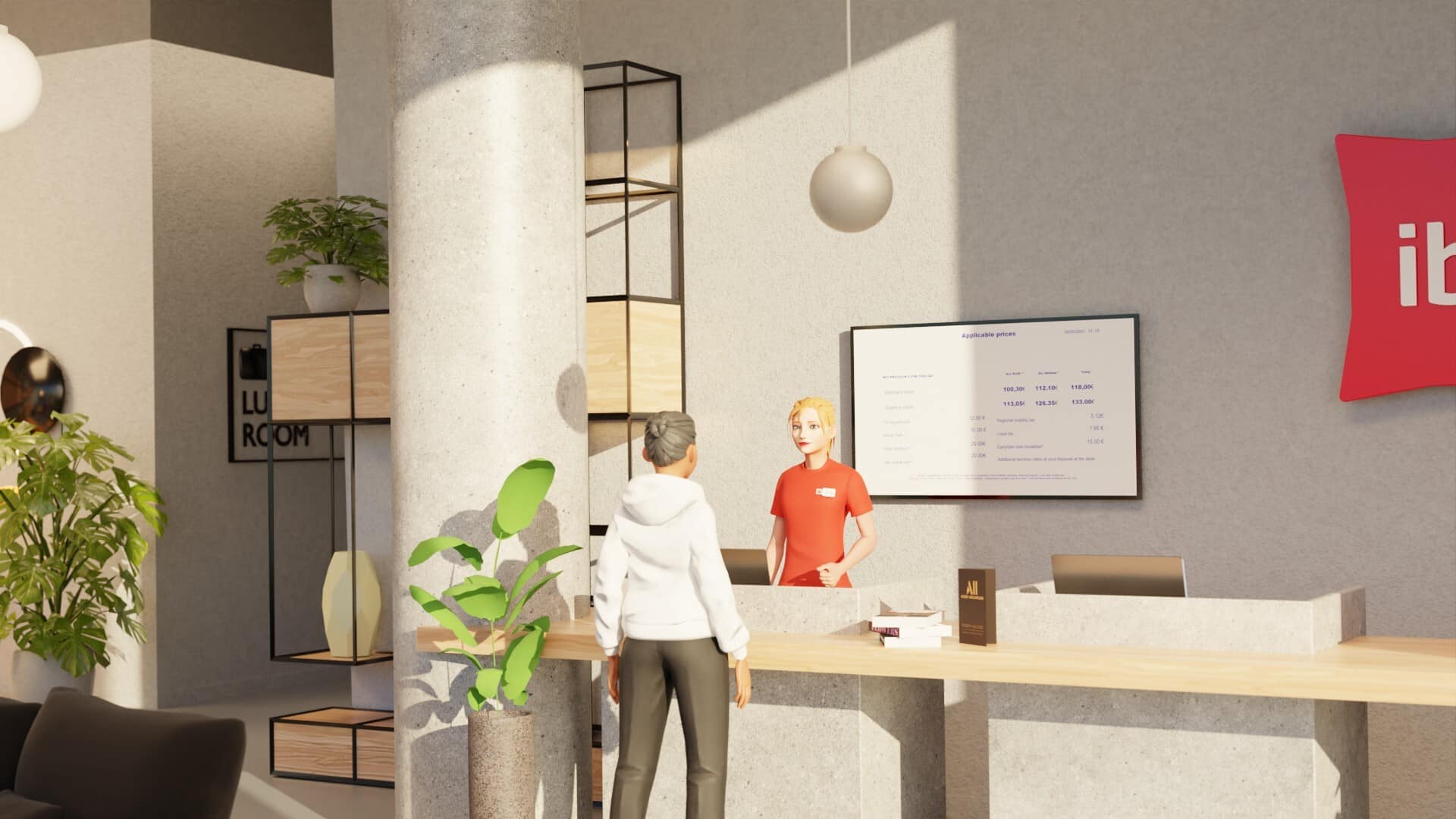
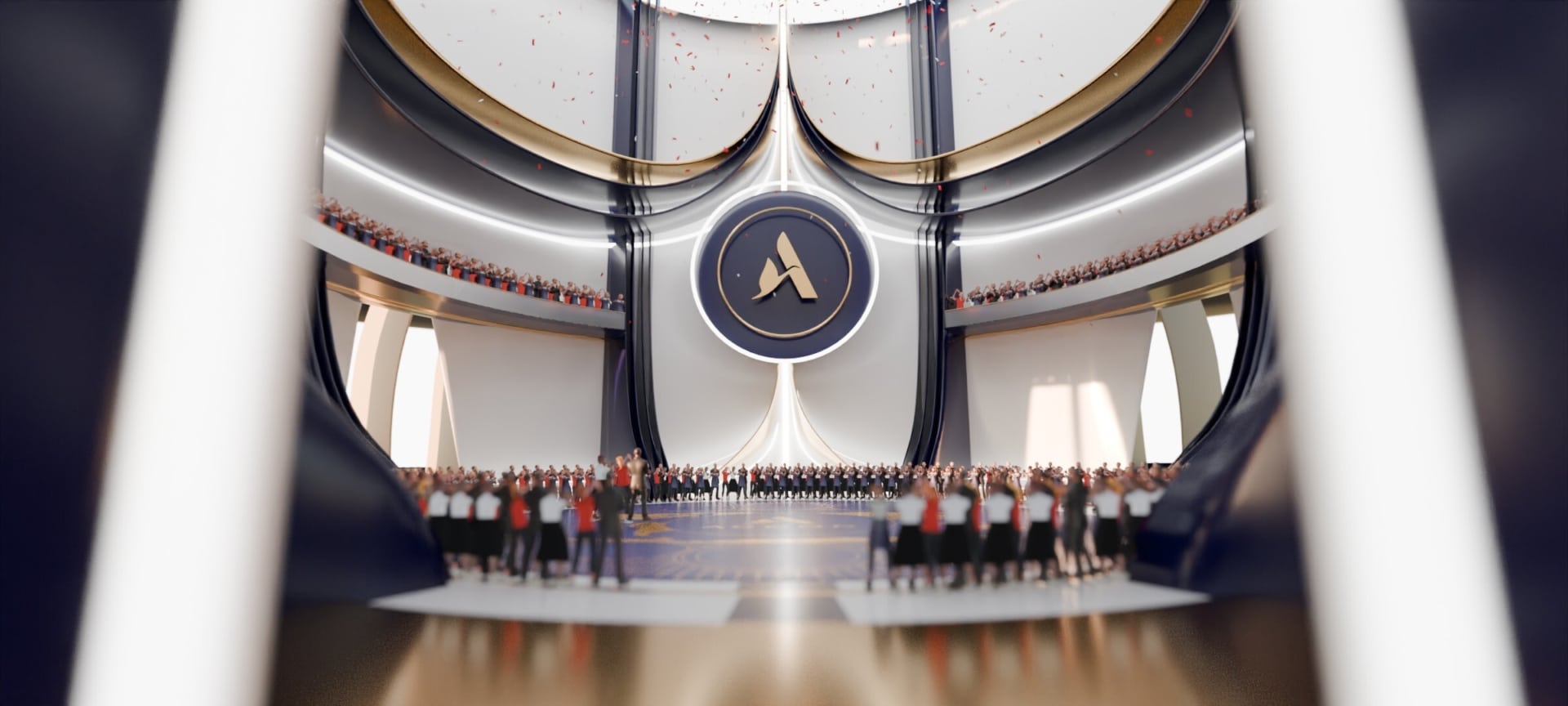
Accor used this approach in a 3D simulation experience designed around service delivery. Instead of memorising standards, teams worked through situations that evolved depending on their choices.
That shift is subtle, but it makes a difference. Once someone has practised a situation, they’re far more likely to handle it well when it actually happens. This format works particularly well for customer experience, compliance, and leadership training, where judgement matters more than recall.

Story-led Serious Games are used when employees don’t just need to learn something: they need to feel confident talking about it. Instead of presenting information upfront, these experiences build context gradually. People move through a narrative, uncovering details as they go, and start connecting ideas without being explicitly told to.
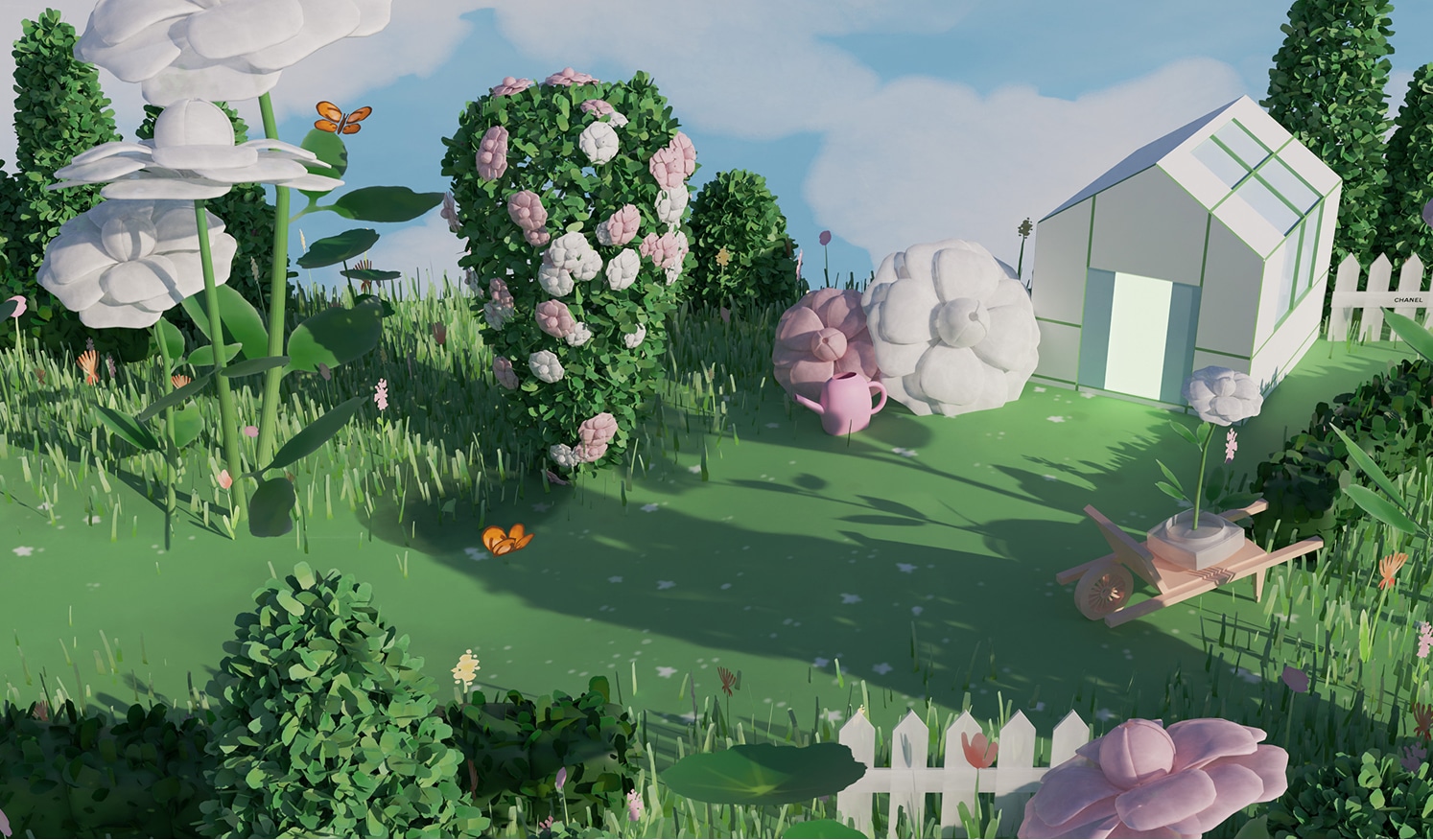
This is where Serious Games begin to feel less like training and more like exploration. Diptyque approached digital product training in exactly this way. Their teams needed to understand the inspiration behind collections, not just the features. So the experience was designed as a journey through five destinations, each linked to the brand’s heritage. Employees explored, collected elements, and reconstructed the story behind each creation.
As Delphine Ben Achour, International Training Director at Diptyque, explained, the goal was to create “a truly immersive and multi-sensory digital experience” that would allow teams to develop imagination, not just absorb information. And that changes how people show up in front of customers. Because when someone has experienced the story, they don’t need to memorise it. They already understand it well enough to explain it naturally.
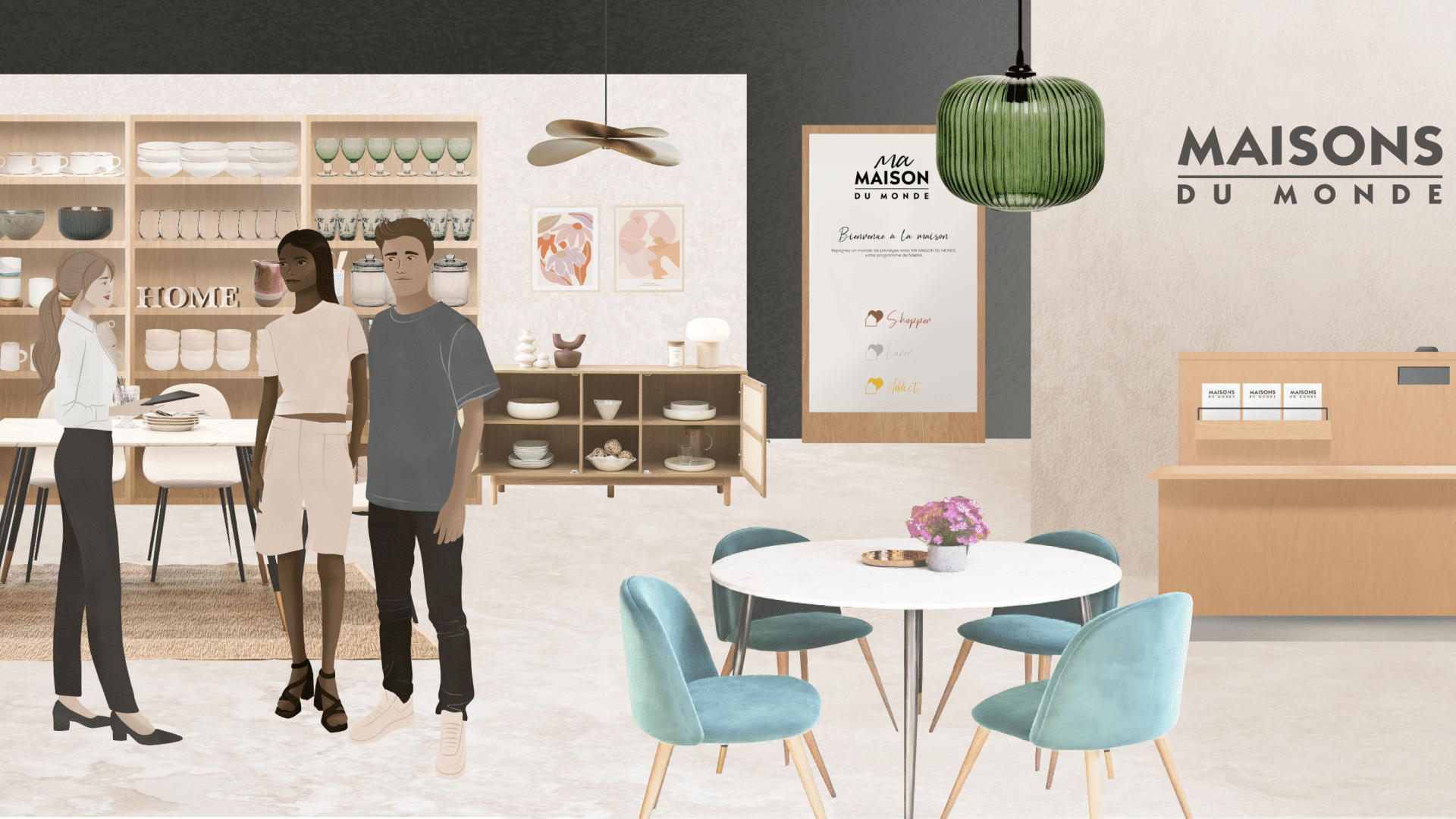
Mobile-first Serious Games come into play when access is the real constraint. Not everyone sits at a desk. Not everyone has time to complete a long training module in one go. So these experiences are designed to fit into short windows, without losing continuity. They’re broken into smaller interactions that build over time.
Maisons du Monde used this approach to train retail teams on customer engagement. Employees could access the experience on their phones, work through scenarios, and return to it when it suited them.
It sounds simple, but it solves a real problem. When training fits into the flow of the day, people complete it. And when they complete it, they’re far more likely to remember it. This format works well across retail, hospitality, and distributed teams, where flexibility matters as much as content.
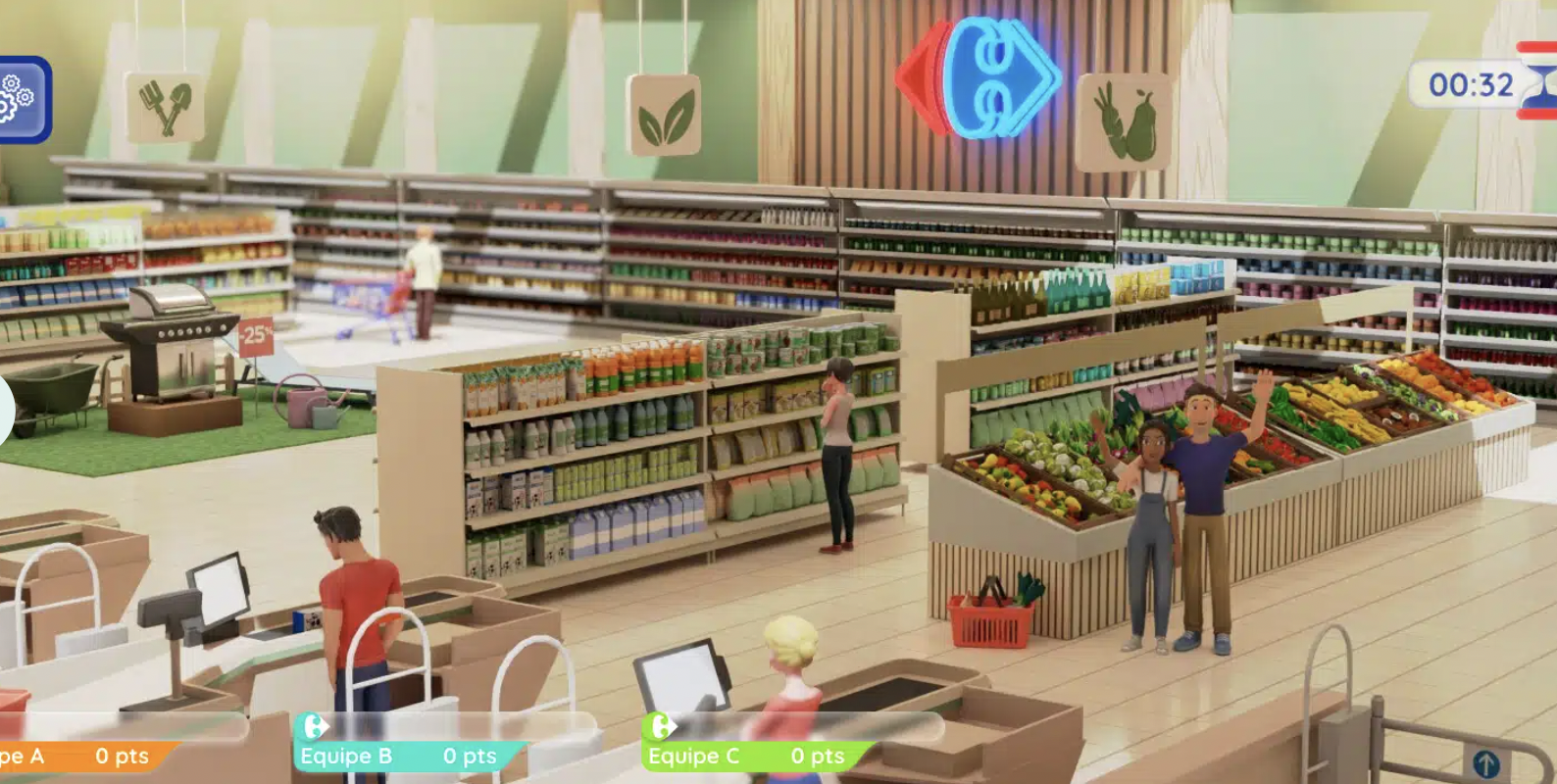
Gamified programmes are used when training needs to stick over time. They introduce progression, challenges, and interaction into the experience, giving people a reason to come back and engage again.
Carrefour’s “Tous Digital” programme is a good example. Designed as a 3D Serious Game by Emeraude Escape, it was rolled out to more than 85,000 employees initially, with plans to reach over 150,000 globally. The experience immersed employees in a virtual environment where they explored digital transformation through everyday scenarios.
What’s interesting is how it adapted. Head office teams completed it individually through an LMS. Store and warehouse employees experienced it in facilitated group sessions, creating shared learning moments. The format wasn’t just engaging. It made the rollout possible. What would normally take months of training was delivered in a matter of weeks.
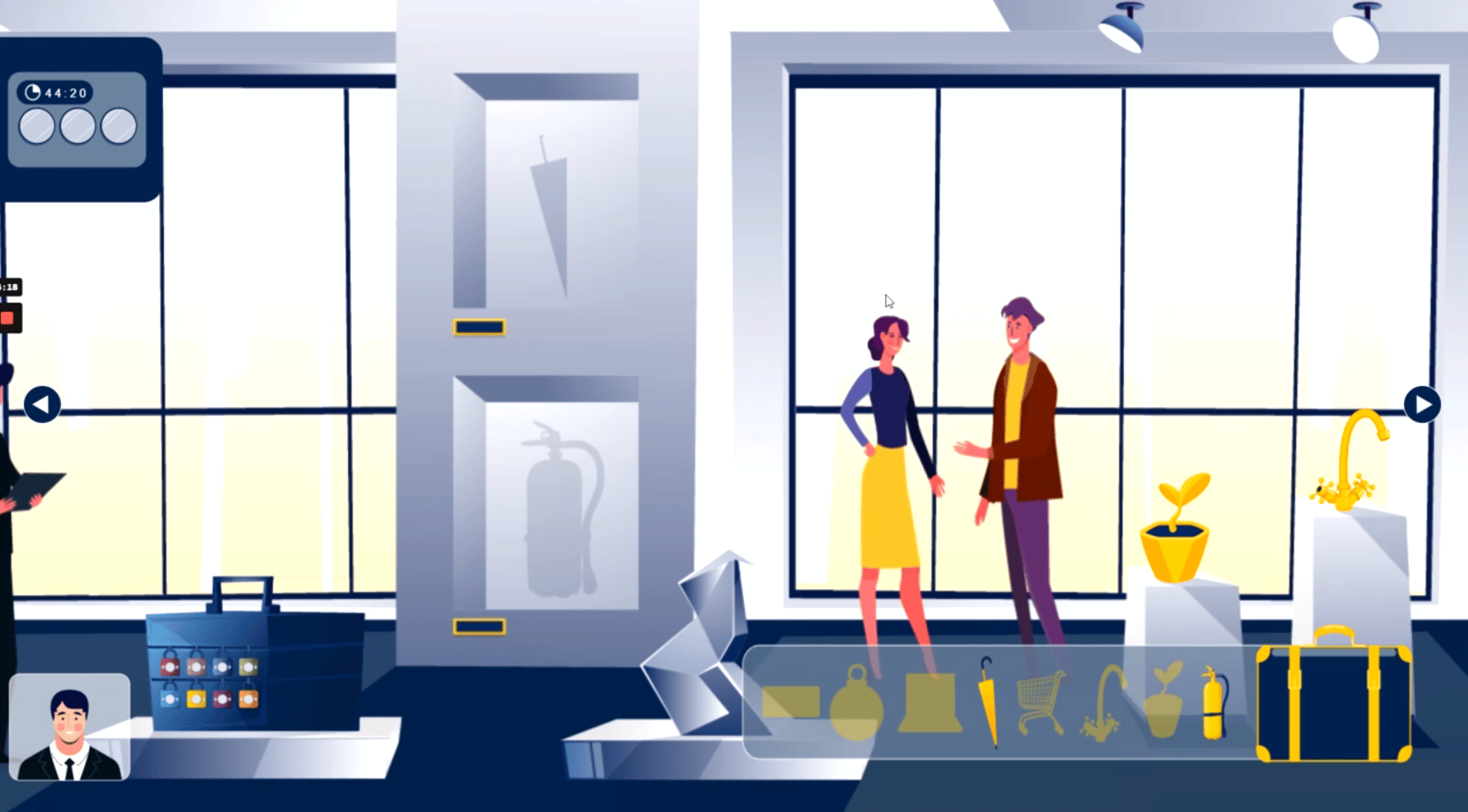
Mission-based Serious Games are where training starts to feel less like learning and more like doing. These include digital escape rooms, virtual scavenger hunts, and interactive investigations. There’s always a clear objective. Solve the problem. Complete the mission. Move forward. And to get there, people have to apply what they know.
One example that illustrates this well is La Banque Postale. They took a topic most teams struggle to engage with (risk management) and with Emeraude Escape’s help turned it into a digital Escape Game. Employees stepped into a simulated environment where they had to identify and manage risks to protect a virtual city.
As Johanna Serveau, HR Digital Transformation and Innovations Manager at La Banque Postale, explained, the goal was to move away from traditional, highly regulatory training and test “a more playful and gamified approach” that could build motivation, collaboration, and collective intelligence.
And it worked. The programme saw strong participation and high satisfaction, but more importantly, it gave managers a practical way to run sessions with their teams and made a complex topic easier to engage with across the business. It’s not about making training entertaining. It’s about making it usable.
The main types of Serious Games used in corporate training are simulation games, story-led experiences, mobile-first learning, gamified programmes, and mission-based immersive formats such as digital escape rooms. The best Serious Game agency brings these formats together to create tailored corporate training solutions. That means designing experiences people can apply in their day-to-day roles, whether that’s making decisions, explaining products, or navigating complex processes.
If you’re choosing a Serious Game agency, the real differentiator is this: can they adapt the format to your business challenge, and deliver it at scale? That’s where experienced partners like Emeraude Escape stand out, combining different game formats, real-world use cases, and global rollout capability to create training that people engage with and remember.
What types of Serious Games are most used in corporate training?
Simulation games, story-led experiences, mobile-first learning, gamified programmes, and mission-based formats like digital escape rooms are the most widely used.
How do Serious Games improve training outcomes?
They make learning active and contextual. Employees apply knowledge in realistic situations, which improves retention and performance. Research shows interactive learning methods consistently outperform passive formats (Sitzmann, 2011; Computers & Education, 2024).
Can Serious Games work for technical topics like data or analytics?
Yes, and this is where they often have the biggest impact. Technical subjects tend to feel abstract, especially for employees who don’t work in them every day. Serious Games help by turning those concepts into something people can move through and understand in context.
Get a personalized demonstration by one of our game design experts.


Mystery game
Congrats!
An error has occurred
Welcome {name}
Keep an eye on your email {email}, you will receive something from us in the next few hours.