08/06/26
Expert opinion
SCORM vs xAPI: Which Standard to Choose for Your Digital Training
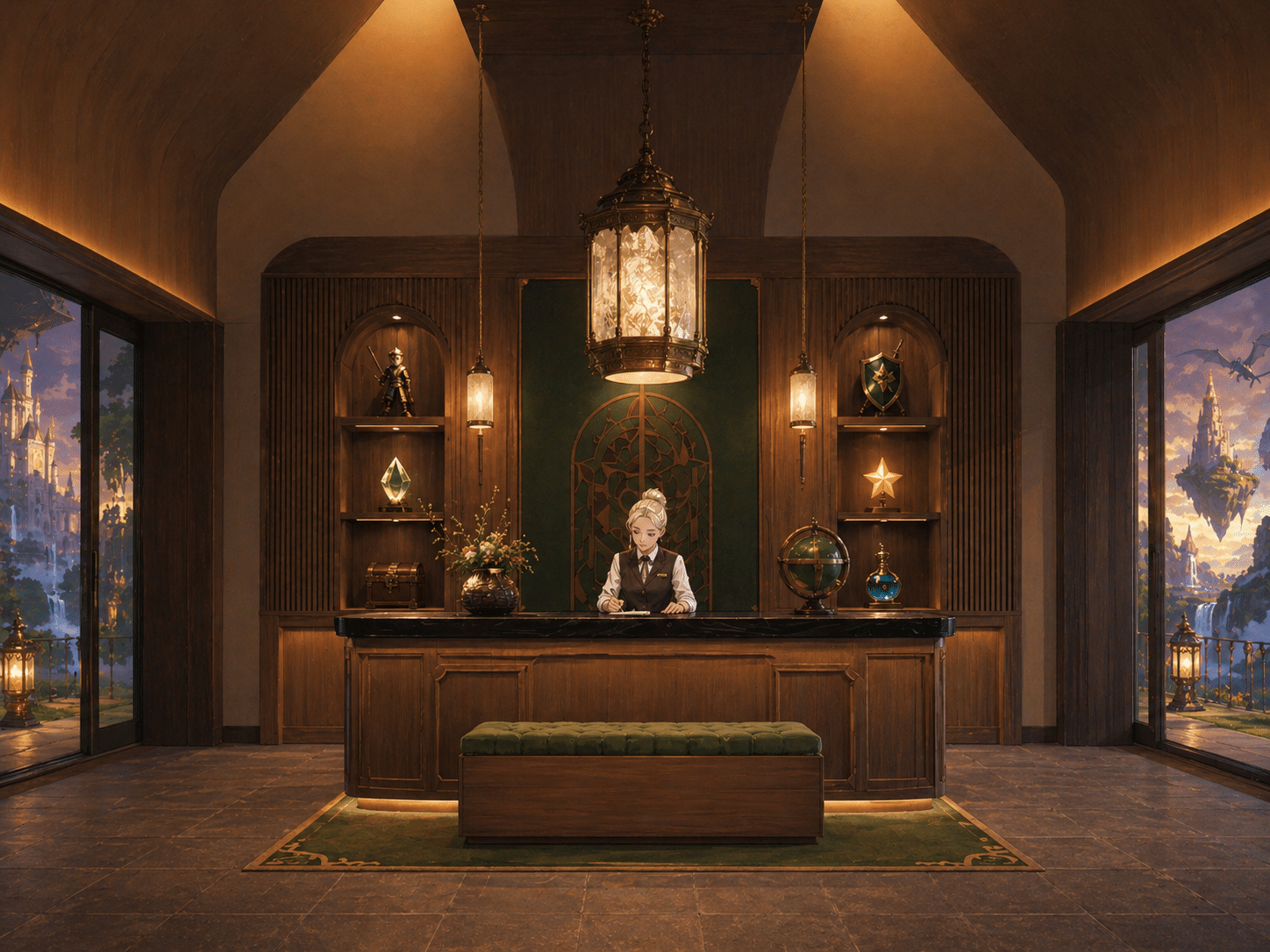
Every few years, a hotel group decides to modernise how it trains staff on Standard Operating Procedures. The brief looks the same each time. Take the manuals, repackage them as eLearning, ship the result to the network. The format changes. The completion rate ticks up for a quarter. Then the same gap reopens between what staff are supposed to know and what they actually do on the floor.
SOP training for hotel staff only works when two things are solved together. The content has to be selected and sharpened until it reflects what the job actually requires. And the learning experience has to be close enough to reality that staff can practise the procedures the way they would apply them on shift. This article is built on a real project: the 3D SOP Game Emeraude Escape designed with Accor, deployed in 20 languages across the group’s global network.
A PDF turned into a slide deck is still a PDF. The medium shifts from paper to screen, but the underlying experience is identical: read, click, read, click, answer a multiple-choice question, receive a certificate. Frontline staff disengage from this format for the same reason they disengaged from the manuals. It does not feel like the work.
Hotel operations are physical, social, time-pressured, and full of judgment calls. A receptionist managing a difficult check-in is not recalling a bullet point. They are reading the guest, choosing a tone, sequencing the steps. Training that does not rehearse those situations does not build them. It informs around them.
There is also a practical reality that most eLearning roadmaps skip over. Not every hotel role has a laptop. Housekeeping, F&B and reception jobs are hands-on, and a fully digital training track is rarely a complete answer on its own. In most Accor trainings, digital modules sit inside a hybrid path that also includes live workshops, classroom sessions and on-the-job coaching. The digital piece has to be strong enough to earn its place inside that blend.
The content itself is not the weakness. Standard Operating Procedures exist for a reason. They are the operational spine of the brand: how to welcome a guest, how to cook a dish, how to clean a room to the standard the brand promises. In an Accor context, that content is created by the global Guest Experience teams and exists by brand and by job family, with roughly 240 documents per brand, two to three pages each.
What fails is the assumption that delivering more of it, faster, in a prettier template, is the work. The real work is threefold:
Get the first step wrong and the project ships 240 micro-modules nobody finishes. Get the third step wrong and the environment feels generic, the learner stays in “training mode,” and nothing carries back to the floor.
Most SOP libraries are large because they have been added to for decades, rarely edited down. Trying to teach all of it produces a training that teaches none of it.
The first decision is what to cut. Not every procedure has the same operational weight. Some directly shape the guest experience. Others matter for compliance but rarely for daily decisions. A small number are critical to brand consistency in moments the guest will remember. In the Accor project, this selection was made together with the global Guest Experience teams and a taskforce of 50+ general managers, so that the SOPs chosen for the game were the ones operations leaders confirmed as priorities for service quality.
This step is the one most projects underestimate. It is also the one that decides whether the training will hold up.
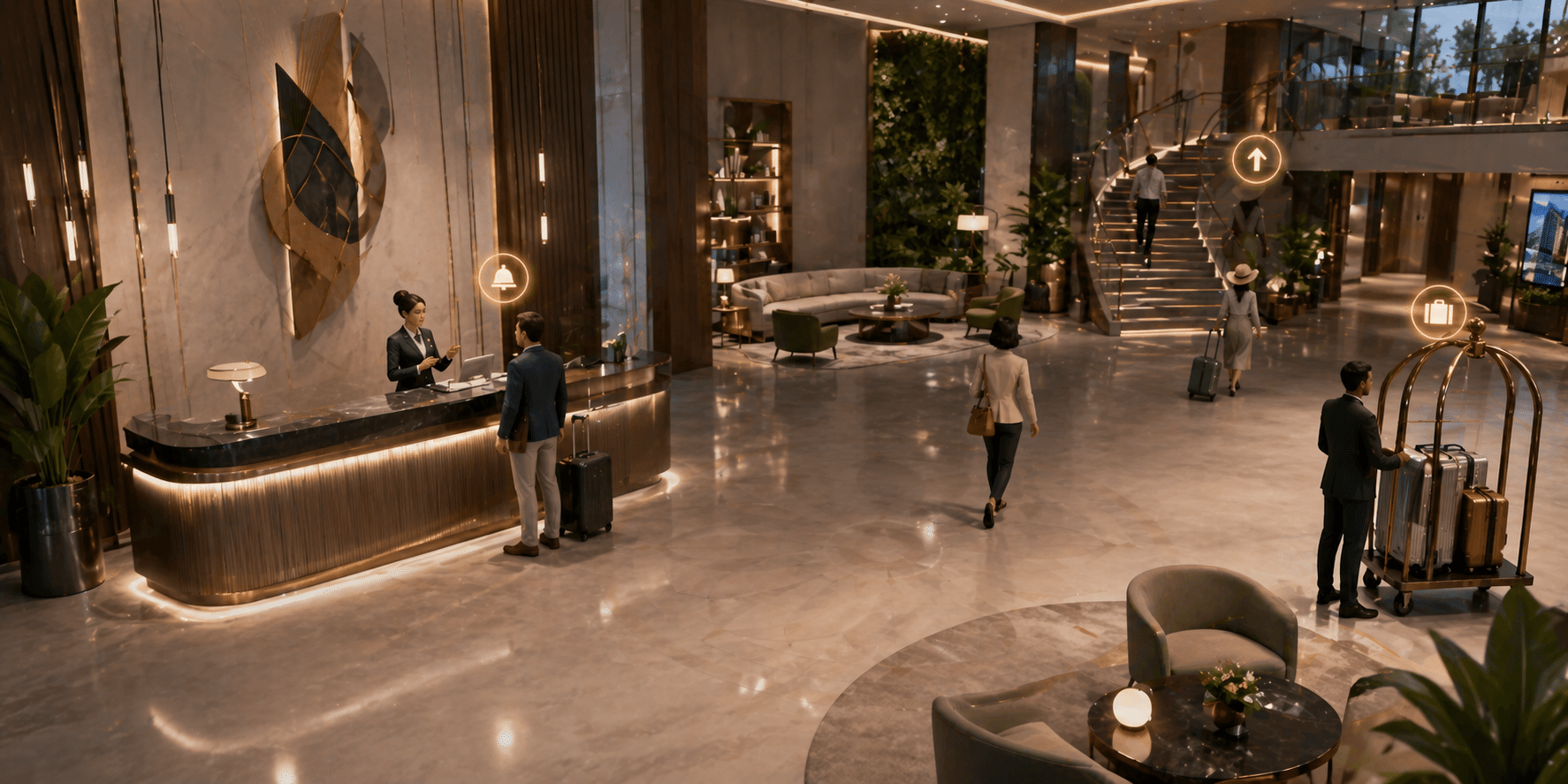
A scenario is not a PDF in dialogue form. It is a moment from a real shift, written tightly enough that the learner has to make the same decisions they would make on the floor.
A check-in scenario, written well, does not start with the guest at the desk. It starts with the receptionist noticing the guest before they arrive. It includes the small interruptions that happen in real check-ins: a phone call from housekeeping, a colleague asking a question, a returning guest waving from the lobby. The learner has to sequence, prioritise, and respond. The SOP is in the scene, but it is being applied, not recited.
Writing at this level of specificity takes longer than writing modules. It is also the only way the training produces behaviour that survives the walk from the laptop to the front desk.
Most gamified training has its reward layer bolted on. Points, badges, and leaderboards get added at the end of the build to make the experience feel more engaging. The result is a learning experience with two parallel systems running side by side: the content the learner is supposed to master, and the game that exists to keep them moving through it. Neither system reinforces the other.
Reward mechanics work when they are designed into the pedagogy from the start. A scoring system that compounds across chapters teaches the learner that consistency matters. A leaderboard scoped to their hotel teaches them that performance is collective. A certificate unlocked only above an 80% success threshold teaches them that the standard is non-negotiable. A secret room, accessible only to learners who collect key fragments across each chapter, gives the whole arc a destination. Each mechanic is doing pedagogical work, not decorative work. This is the level of integration our Simulation Game format is built around.
A 3D environment is not a backdrop. For hospitality training, it is one of the strongest pedagogical tools available, because the learner needs to recognise their own workplace inside the game. When the lobby, the corridor, the bedroom and the restaurant feel like the hotel they work in, the cognitive gap between training and shift closes almost to nothing.
Getting there is a design and production effort, not a styling pass. Uniforms have to match the brand standard, including small details like how the name tag is worn. Characters have to carry diversity of age, gender and ethnicity with the same care as the brand standards themselves. Textures, lighting, furniture and even props have to hold up under the learner’s eye: a transparent texture on a plastic cup has to read as plastic, not glass, because a “spot the error” mission depends on it. Working with the brand and marketing teams from the first sprint, not the final review, is how that level of fidelity gets built. They know what a Pullman lobby feels like versus a Novotel lobby, what the uniform communicates, what is allowed and what is not.
This is also where the design discipline meets the technical one. Holding multiple brand worlds inside a single engine, each close enough to reality that staff feel at home, is one of the harder problems in immersive learning, and it cannot be solved with templates.
Accor partnered with Emeraude Escape to rebuild SOP training across its global network. The starting point was roughly 240 documents per brand, two to three pages each, covering economy, midscale and premium segments. The output was 12 hours of training across four modules: Housekeeping, Reception, Food & Beverage, and Essentials for All.
The design followed the disciplines above. Content was prioritised with the global Guest Experience teams and a taskforce of 50+ general managers. Scenarios were written to mirror real shifts, with brand-specific variations across Ibis, Ibis Styles, Novotel and Pullman. The pedagogy was structured as three chapters with a scoring system, a country-level leaderboard, a certificate above 80% success, and a secret room unlocked by collecting a fragment of a magnetic key inside each chapter. The 3D environments were built for each brand individually, with brand and marketing teams involved at every stage to protect identity inside the gameplay.
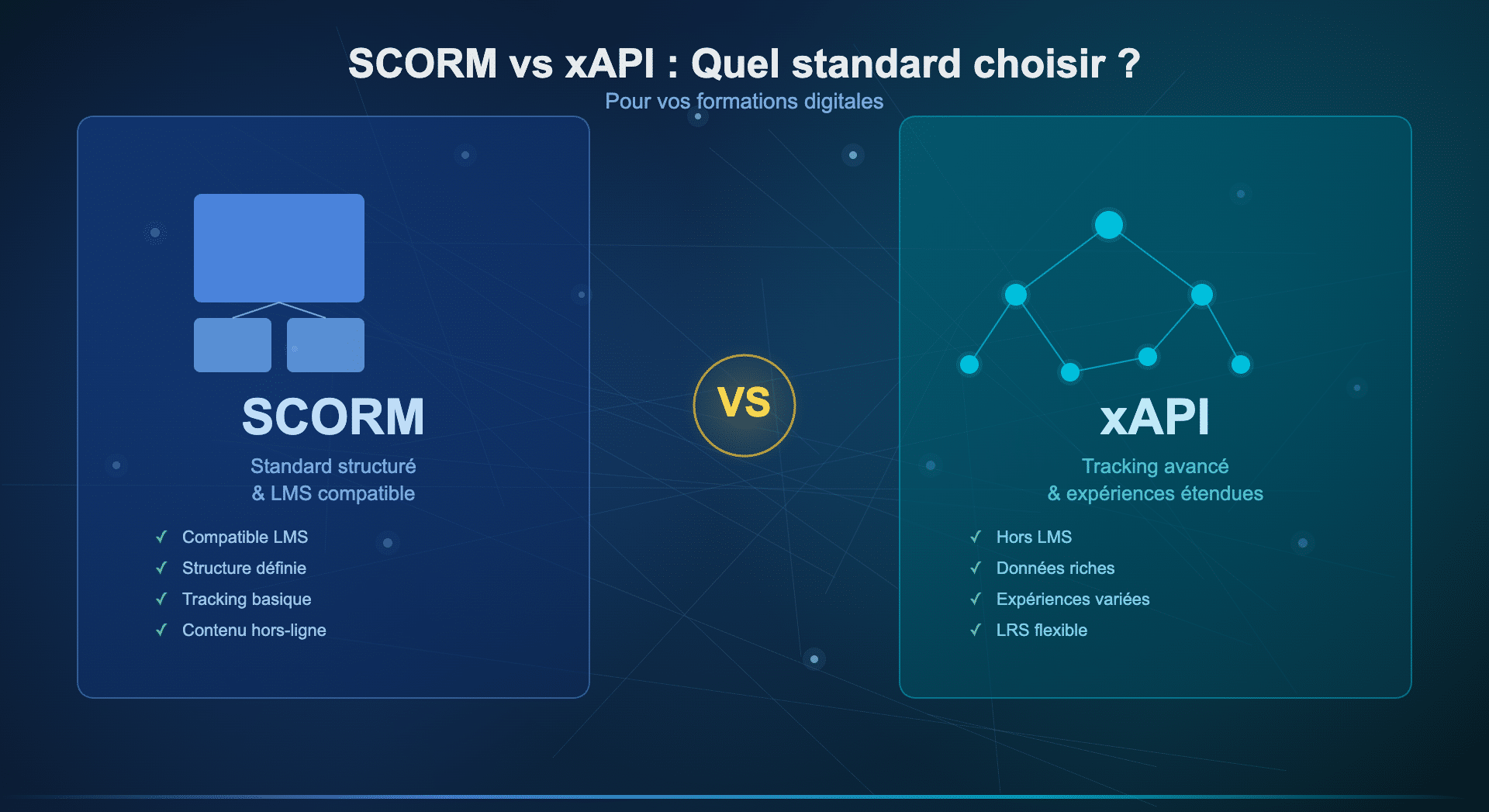
The results held. 87% of learners gave the highest possible satisfaction score. On more detailed questions, scores stayed above 4.5 out of 5. The training was deployed in 20 languages across the global network and integrated with Accor’s Docebo LMS via an API linking SCORM completions to a live leaderboard, with weekly performance reporting feeding a continuous improvement loop after launch.
Most of the questions that decide whether a 3D simulation project will work are not technical. They are about how the partner approaches content and design together.
Worth asking before you commission:
A partner who has clear answers has built this kind of work before. A partner who treats them as edge cases has not. Explore how Emeraude Escape approaches this category of work on our Learning & Development solutions page.
Get a personalized demonstration by one of our game design experts.



Mystery game
Congrats!
An error has occurred
Welcome {name}
Keep an eye on your email {email}, you will receive something from us in the next few hours.