08/06/26
Expert opinion
SCORM vs xAPI: Which Standard to Choose for Your Digital Training
If you’re working with a game-based learning agency, you’ll almost always hear the same two terms: gamified learning modules and Serious Games. They sound close enough to be interchangeable. They’re not.
The simplest way to understand it is this. Gamified learning takes something familiar (standard training) and makes it easier to get through. Serious Games take a different route entirely. They turn learning into something you have to work through, not just read. That difference shapes everything that follows. Not just how people engage with training, but whether they can actually use it afterwards.
Gamified learning modules are built on top of traditional e-learning. The structure doesn’t change. You still move from one section to the next, working through content in a set order.
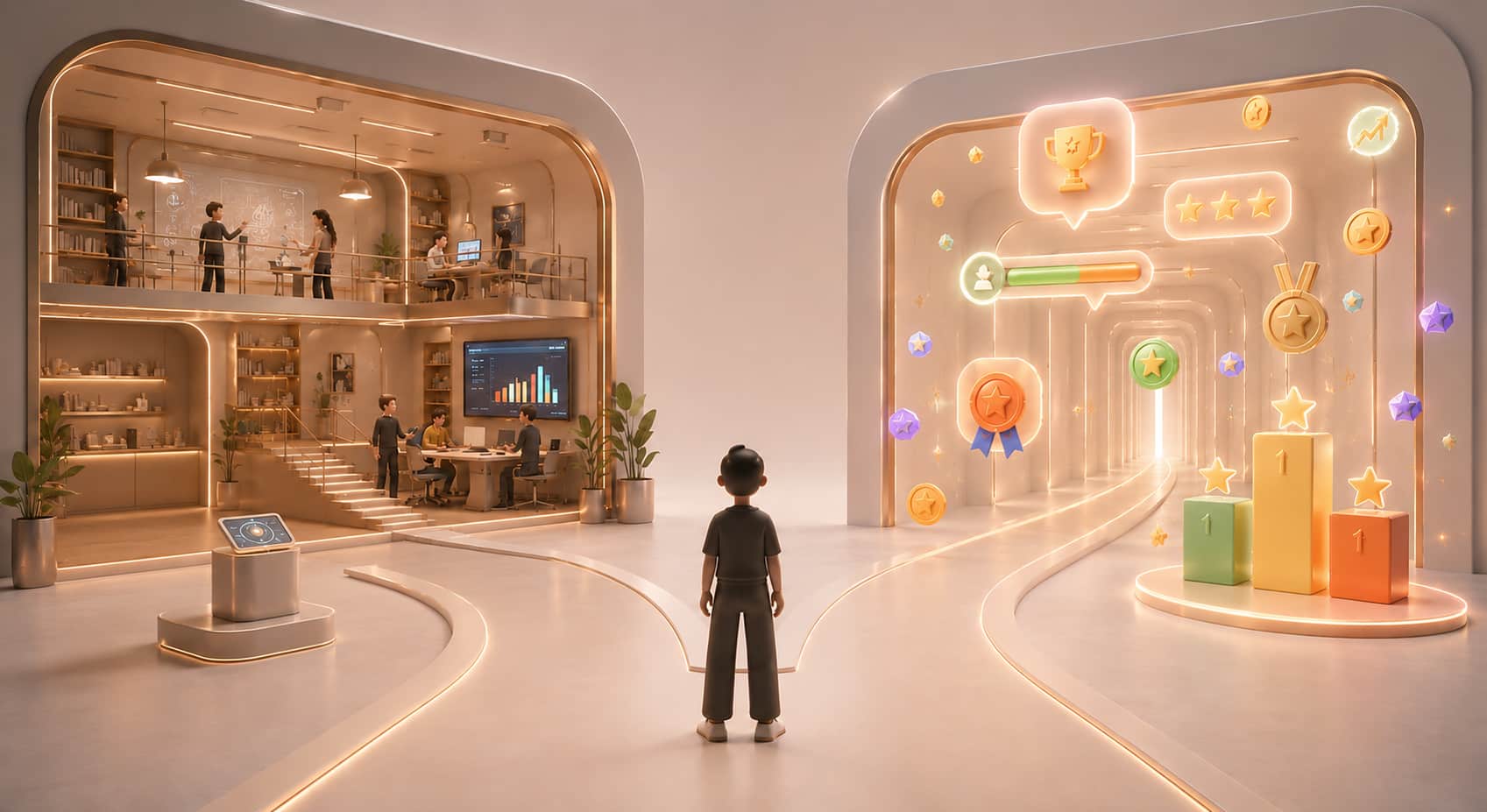
What gamification does is change how that experience feels. It adds momentum. Points, progress indicators, small rewards: all of it nudges people to keep going. If the original problem was that learners weren’t finishing training, this usually helps.
And that’s exactly where gamification is at its best. It reduces friction. It makes content feel lighter. It gives people a reason to stay engaged long enough to complete what they’ve started. In large organisations, where consistency and scale matter, that’s not a small thing.
But the learning model underneath stays the same. The learner is still consuming information rather than using it. There’s no real pressure to make decisions, interpret situations, or deal with anything unexpected. This is why gamified learning often improves what you can measure easily (completion rates, engagement scores) but struggles to shift what matters more. Confidence. Judgement. Behaviour.
A useful way to frame it is this: gamified learning modules are designed for knowledge transfer. They help people understand information, but they don’t necessarily prepare them to apply it.
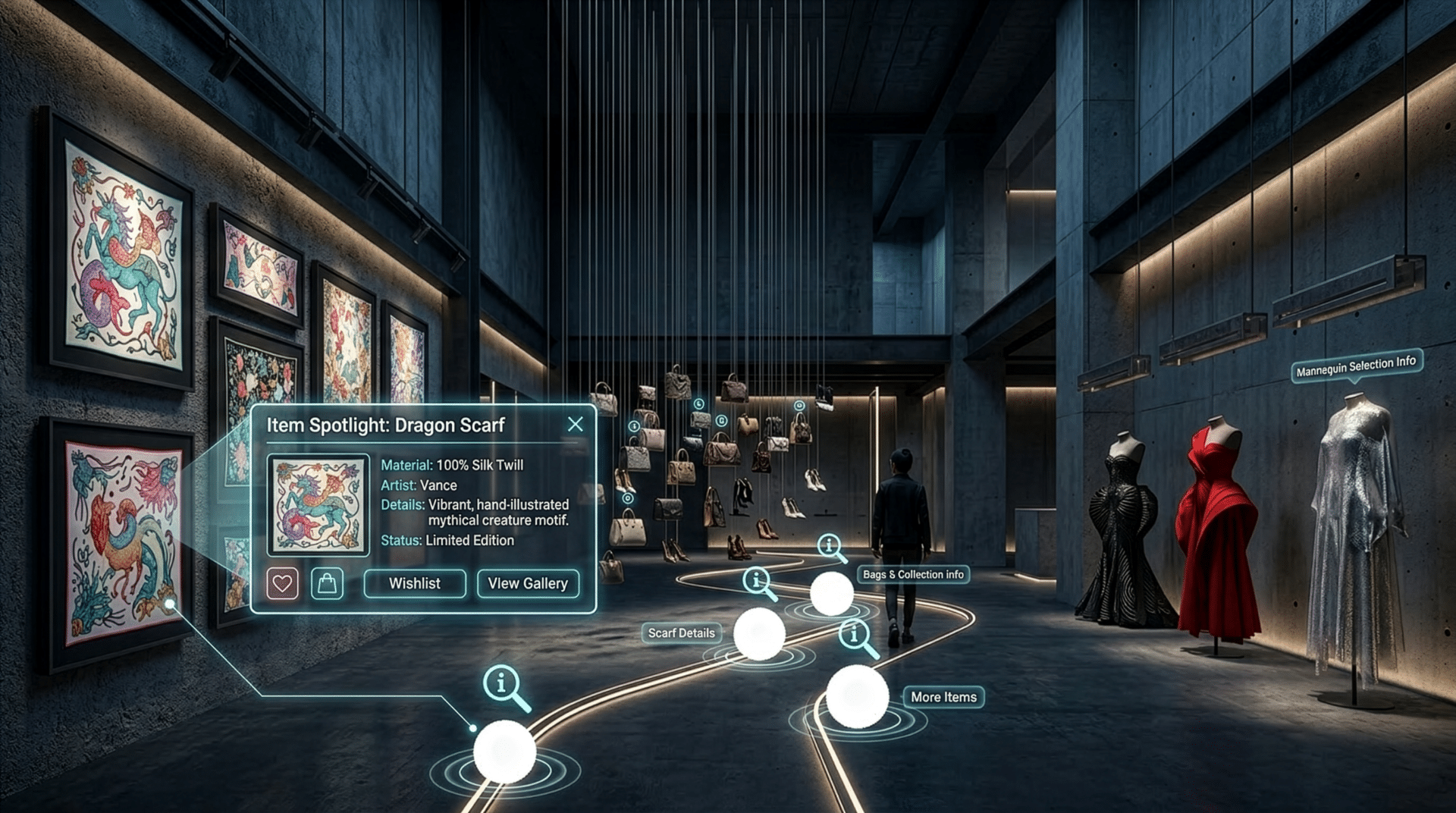
Serious Games start somewhere else. Instead of asking how to make content more engaging, they ask what someone needs to handle in their role. The training is then built around those situations. So rather than moving through slides, the learner is dropped into something that feels closer to real work. Such as a decision that needs to be made without perfect information. There isn’t always a clear answer, and that’s deliberate.
Because in most roles, especially customer-facing or leadership roles, situations don’t arrive neatly packaged. People have to read what’s happening, respond in the moment, and adjust if things don’t go as expected.
Serious Games create space for that kind of practice. Instead of recognising the “right answer”, the learner gets used to working through the situation. That builds a different kind of familiarity, one that tends to carry through into real interactions.
This is why Serious Games are better suited to behavioural change. They don’t just reinforce what someone knows. They help shape how someone responds.
The gap between these two approaches is easiest to see in roles where performance depends on interaction. In a gamified module, someone might learn what to say. The phrasing, the product details, the process. It’s clear, structured, easy to follow.
But put that same person in front of a customer, and things change. The conversation doesn’t follow a script. The customer reacts in unexpected ways. Confidence becomes as important as knowledge. That’s where Serious Games tend to land differently.
Because the learner has already worked through similar situations, even in a simulated way, they’re not starting from zero. They’ve seen how things can play out. They’ve had to respond before. The learning feels more familiar, and that familiarity shows up in how they act.

This is the key distinction: gamified learning prepares people to recognise information. Serious Games prepare people to respond.
Gamified modules are useful because they’re efficient. They’re relatively quick to produce, easy to scale, and they fit into existing systems without much disruption. They’re well suited to building a baseline, making sure everyone understands the same core information.
Serious Games require more intent. They take longer to design properly, because they depend on real scenarios rather than content alone. But that’s also why they go further. They’re designed for the point where understanding needs to turn into action.
This is typically where a more experienced game-based learning agency like Emeraude Escape adds value. Not by choosing one approach over the other, but by understanding where each fits, and where one stops being enough.
That difference might seem subtle at first, but it’s usually what determines whether training stays as information, or turns into something people rely on in real situations.
You see this play out quite clearly in practice. Brands like Chanel and Dior, for example, tend to lean towards more immersive formats when the goal is consistency in client experience. It’s not enough for teams to know the product: they need to feel confident handling conversations, adapting to different customers, and representing the brand in a way that feels natural.
In contrast, organisations with large, distributed teams such as retail groups or operational environments like Carrefour or Maisons du Monde often start with gamified learning modules to align everyone on the basics. It’s a faster way to build shared understanding across markets.
Once the baseline is in place, the focus tends to move from knowledge to application. That’s where more scenario-based Serious Game formats start to play a bigger role.
This is typically how a game-based learning agency like Emeraude Escape approaches it in practice, not as a choice between two formats, but as a progression. One builds understanding. The other builds confidence in how that understanding is used.
What is a game-based learning agency?
A game-based learning agency designs interactive training experiences that help people learn through scenarios, simulations, and decision-making rather than passive content.
What is the difference between gamification and Serious Games?
Gamification adds game elements like points or badges to traditional learning, while Serious Games are fully interactive experiences where learning happens through action.
Are Serious Games more effective than gamified learning?
Serious Games tend to be more effective for behaviour change and skill development, while gamified learning is better suited to improving engagement and completion rates.
Get a personalized demonstration by one of our game design experts.


Mystery game
Congrats!
An error has occurred
Welcome {name}
Keep an eye on your email {email}, you will receive something from us in the next few hours.